Tree Pruning

Tree Pruning and Crown Maintenance in York

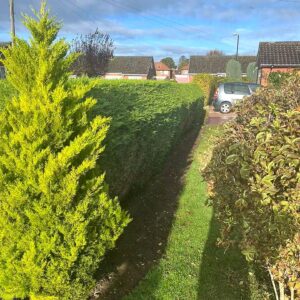
Before Tree Pruning
Tree Pruning
Pruning with a Clear Purpose

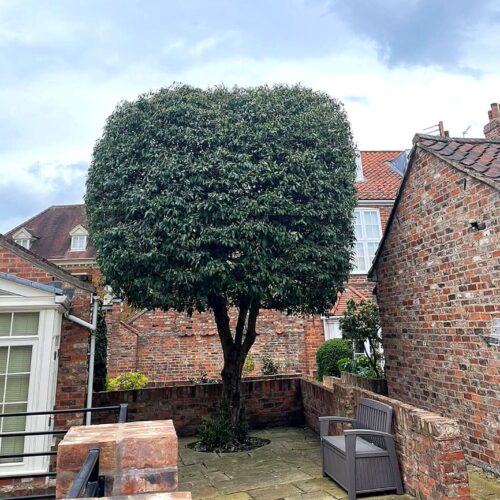
Tree pruning should solve a defined problem without removing more growth than necessary. A crown may need to be reduced because it has become too large for its setting, lifted to improve clearance or thinned selectively to reduce density. Dead, damaged or poorly formed branches may also need attention before they become a greater concern.

Branch by Branch Tree Services assesses the species, age, condition and position of each tree before recommending work. The aim is to retain a healthy, balanced structure while improving safety, light or clearance around the property.

Recommendations are tailored to the individual tree and the reason for pruning, not a standard percentage applied to every crown.
Tree Removal Branch by Branch
Tree Felling and Sectional Dismantling

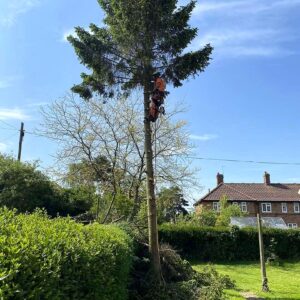
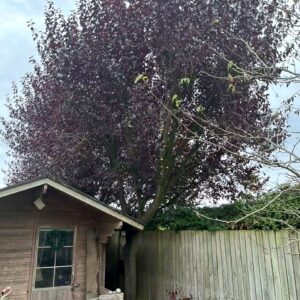
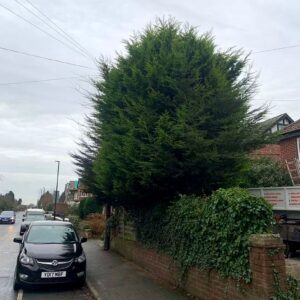
Where there is sufficient clear space, a suitable tree may be felled from ground level in a controlled direction. In smaller gardens and built-up areas, that option is often unavailable. The tree must instead be dismantled progressively, with the crown and trunk removed in manageable sections.

Sectional dismantling allows work to be controlled within a restricted area. Branches can be cut and lowered individually, followed by sections of the stem, until the tree has been reduced safely to ground level.

Branch by Branch Tree Removal
Crown Reduction

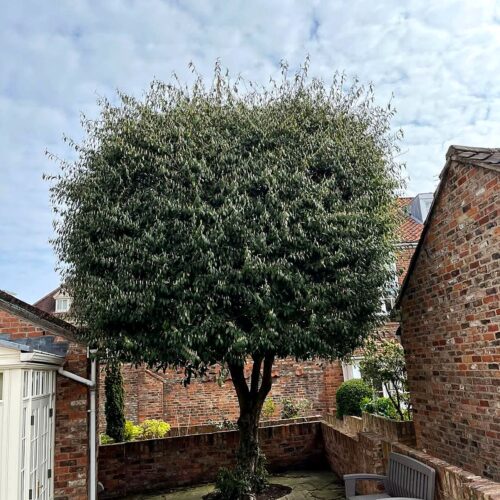
Crown reduction decreases the overall height or spread of a tree by shortening selected branches back to suitable growth points. It can help manage a tree that is becoming too large for its position, reduce leverage on heavy limbs and create more space around buildings or boundaries.

A proper reduction follows the natural shape of the crown. It is different from simply cutting the top from a tree, which can leave poor form, large wounds and weak regrowth.

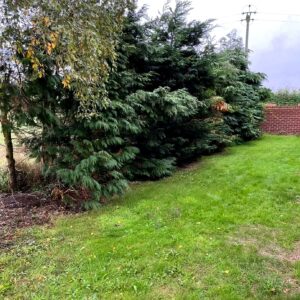
Branch by Branch in York Tree Clearing
Crown Thinning

Crown thinning removes a proportion of smaller branches from throughout the canopy while retaining its general size and outline. Selective thinning can reduce density, improve the passage of light and air and lessen the visual weight of a crowded crown.

The work must remain balanced. Removing too much internal growth can expose branches unnecessarily and alter how the tree responds to wind. The team therefore concentrates on carefully selected material rather than stripping out the centre of the crown.

Felled Tree - Branch by Branch
Crown Lifting

Crown lifting removes or shortens lower branches to increase clearance beneath the canopy. It may open a path, improve access to a driveway, create space above a lawn or reduce contact with nearby structures. The amount removed is considered carefully so that the trunk and remaining crown stay in proportion.

Tree Removal
Deadwooding and Formative Pruning

Deadwooding removes dead or broken branches that may fall or interfere with healthy growth. Formative pruning is used on younger trees to encourage a sound framework, address crossing or competing branches and reduce the chance of more extensive work later.

Care for Birch, Hawthorn and Other Garden Trees

Common garden trees such as birch and hawthorn each respond differently to pruning. Timing, branch size and the amount removed all matter. Rudy’s training and practical experience help ensure that the proposed work suits the tree rather than forcing every species into the same shape.

More Light without Losing the Tree

A heavy or poorly managed crown can cast deep shade over windows, lawns and planting areas. Appropriate crown work can improve light levels while preserving the tree’s character and contribution to the garden. Where pruning cannot safely achieve the desired result, the reasons and alternatives will be explained honestly.

Once work is complete, the agreed branches, timber and debris are removed. The property is left tidy, with paths and working areas cleared.

For an initial discussion, send photographs showing the whole tree, its position in the garden and its relationship to buildings or boundaries. A closer assessment can then confirm which pruning method is appropriate and how much material should be removed.