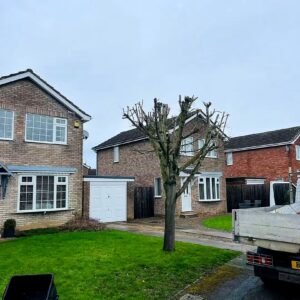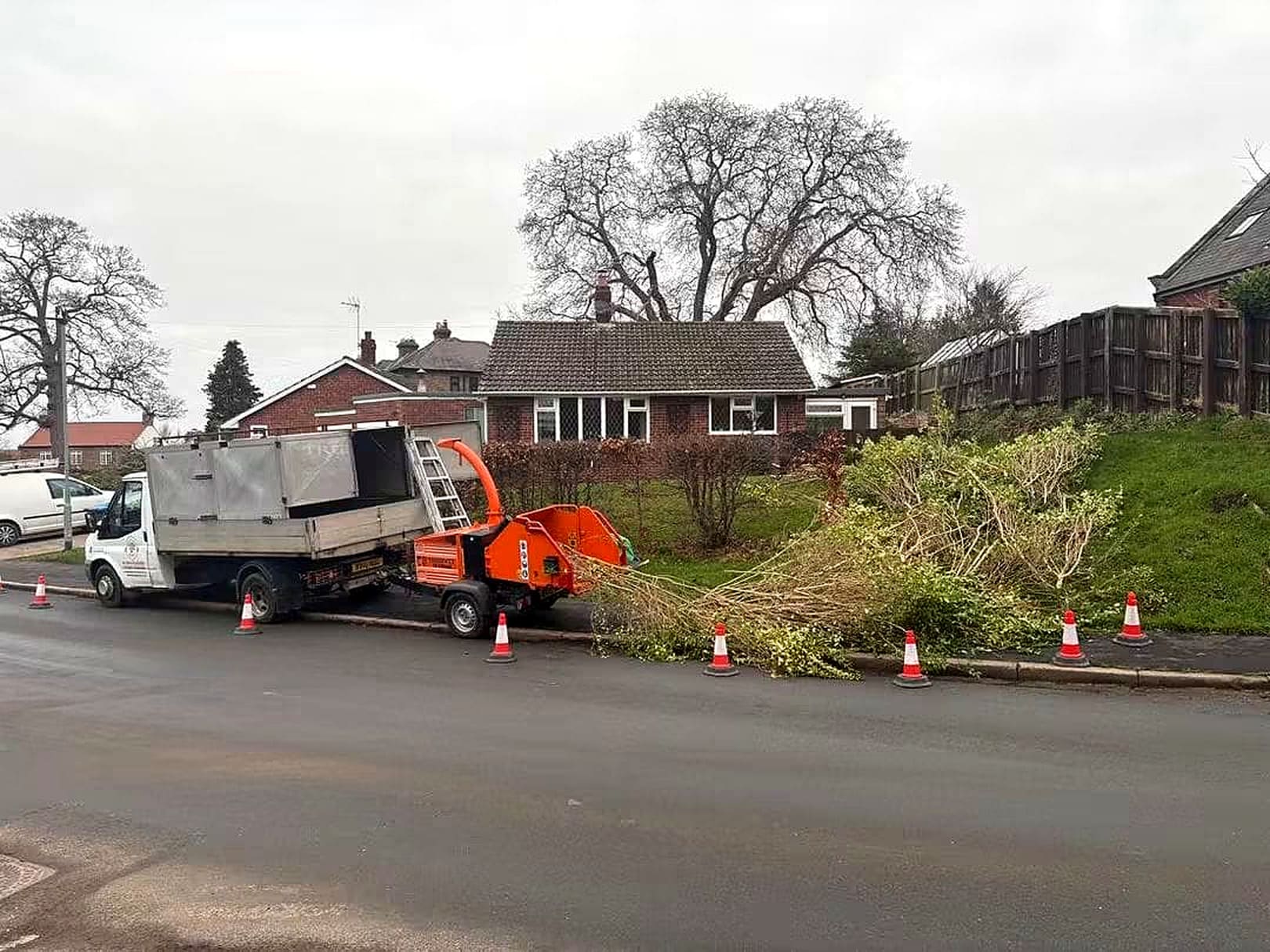
Dangerous Tree Removal

Safe Tree Removal in York

Controlled Removal When a Tree Cannot Be Retained

Removing a tree is sometimes the safest or most practical option, but it should not be the automatic answer. Branch by Branch Tree Services first considers the condition of the tree, the risk it presents, its position and whether appropriate pruning could resolve the problem.

Removal may be recommended when a tree is dead, seriously diseased, structurally unstable, badly damaged by wind or unsuitable for the available space. The proposed method is then planned around access, nearby buildings and the safe handling of each section.

The quotation sets out the intended removal method and what will happen to the resulting timber, branches and debris.
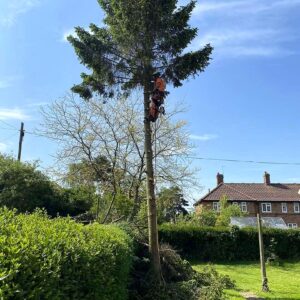
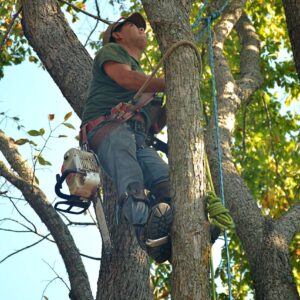
Felled Tree - Branch by Branch
Tree Felling and Sectional Dismantling

Where there is sufficient clear space, a suitable tree may be felled from ground level in a controlled direction. In smaller gardens and built-up areas, that option is often unavailable. The tree must instead be dismantled progressively, with the crown and trunk removed in manageable sections.

Sectional dismantling allows work to be controlled within a restricted area. Branches can be cut and lowered individually, followed by sections of the stem, until the tree has been reduced safely to ground level.

Tree Surgery - 1
Rigging for Confined or Sensitive Sites

Controlled rigging techniques are used where cut material cannot be allowed to fall freely. Ropes and suitable equipment help guide and lower branches away from houses, conservatories, fences, sheds, greenhouses, planted areas and neighbouring property.

The system used depends on the size and weight of the material, the condition of the tree and the available anchor points. Each stage is considered before cutting begins, reducing unnecessary movement and helping the team maintain control throughout the dismantling process.

Dead Tree Removal
Dead, Diseased and Storm-Damaged Trees

A visibly damaged tree is not always immediately dangerous, and a tree that looks sound can still contain serious defects. Warning signs may include major cracks, failed limbs, extensive decay, movement around the root plate or a sudden change in lean. Rudy assesses the available evidence and explains why removal is or is not appropriate.

Storm-damaged trees require particular care because broken branches and split stems may be under tension or supported unpredictably. Customers should keep away from the affected area and avoid attempting to pull down hanging material themselves.

Protecting the Rest of the Property

Before work starts, the team considers access routes, drop zones and vulnerable features. Movable items may need to be cleared, and nearby surfaces or structures protected. Clear communication ensures that customers understand what access is required and what will happen during the job.

Cleanup and the Ground Left Behind

After removal, the agreed trunk sections, branches and debris are taken away and the working area is cleared. The remaining stump can be left in place, ground below the surface or completely removed with the wider root system, depending on the customer’s plans for the space.

Access is discussed before the quotation is finalised. Narrow passages, steps, changes in ground level and limited working space can affect the equipment and removal method. Identifying these details early helps avoid surprises once the team arrives.

Branch by Branch serves homes and commercial properties across York, Skelton, Tollerton and surrounding areas. Free quotations are available following photographs or a site assessment.